Split Taper vs QD Bushing: Which Is Right for You?
What Is a Split Taper Bushing?
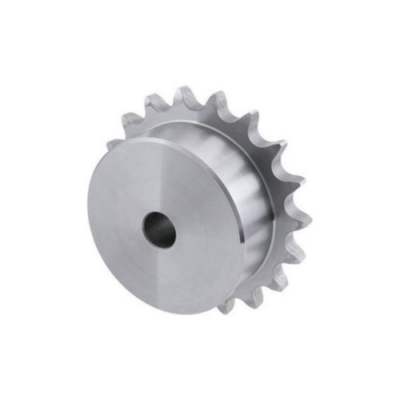
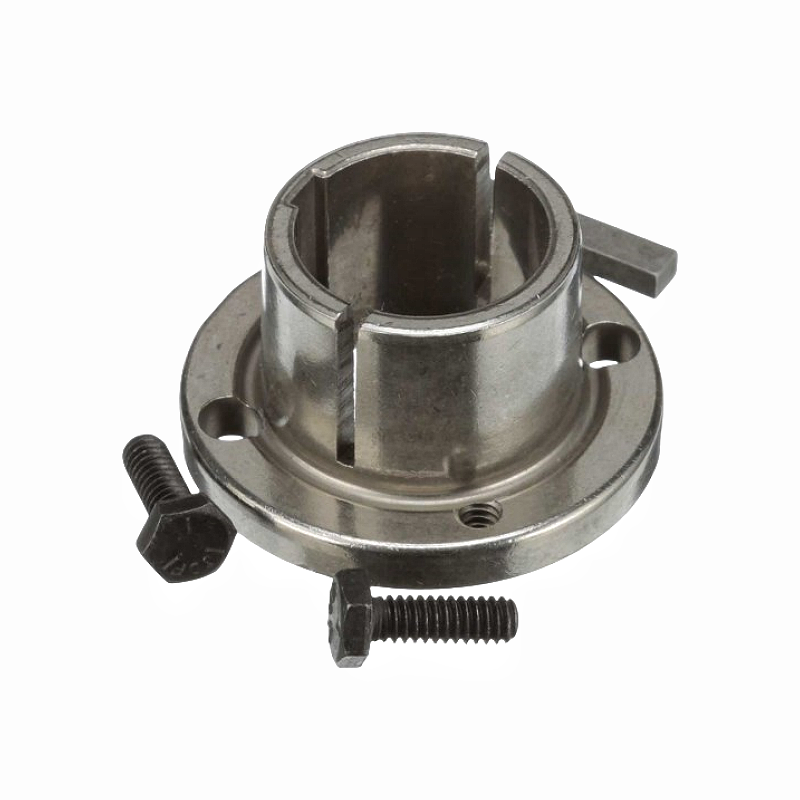
The Split Taper Bushing is a flanged, double-split tapered bushing that clamps between a shaft and a power transmission component like a pulley or sprocket (sprockets with split taper bushing). Because it's split in two places, it creates a robust and balanced grip when the hub bolts tighten, improving torque resistance and shaft retention.
Key Advantages
Excellent torque capacity and stability under load
Ideal for high-vibration or heavy-duty applications
Robust construction suitable for demanding environments
Allows installation without precisely bored parts in advance
When to Use Split Taper Bushing
High torque requirements are critical
Machinery needs strong concentric gripping
Downtime cost is high, and frequent adjustments are not needed
What Is a QD (Quick Detachable) Bushing?
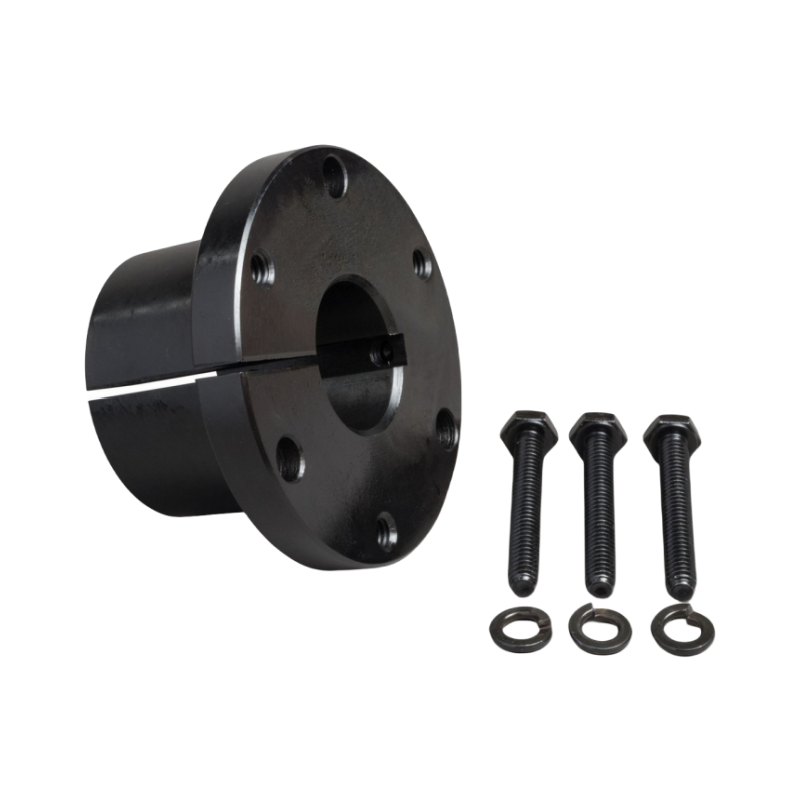
QD Bushings are tapered, flanged bushings featuring a single split that runs through both the flange and taper. The design enables quick installation and removal using standard cap screws. They provide a secure grip and excellent centering accuracy for various industrial equipment, particularly where components are frequently changed.
For more detailed qd bushing information: What Is QD Bushing
Key Advantages
Fast and easy installation and removal without special tools
High clamping force due to tapered wedge mechanics
Available in standard and reverse mounting styles
Compatible with numerous pulley, sprocket, and sheave designs
When to Use QD Bushing
Frequent maintenance or swaps of components are required
Time savings during downtime are a priority
Good balance between durability and convenience is needed
Split Taper Bushing vs QD Bushing
| Feature | ||
| Split Design | Double split for tighter grip | Single split through flange and taper |
| Torque Holding | Excellent | Very good |
| Removal | Requires more effort | Quick & tool friendly |
Best For | High-toruqe, heavy-duty | Frequent maintenance, adjustable drives |
How to Choose the Right Bushing for Your Project
When deciding between Split Taper and QD bushings, consider the following:
Torque & Load
Higher torque and heavy loads generally favor split taper bushings, while QD bushings perform well in mid-range applications.
Maintenance Frequency
If your system requires frequent adjustments or part replacements, QD bushings minimize downtime thanks to easier detachment.
Space & Installation Constraints
In compact designs with limited radial clearance, the precise flange design of each bushing type should be evaluated before selection.
| Operating Condition | Better Choice | Reason |
| High torque conveyors | Split Taper Bushing | Stronger grip, less slip |
| Heavy industrial drives | Split Taper Bushing | Better shock resistance |
| Frequent belt changes | QD Bushing | Faster removal |
Limited maintenance time | QD Bushing | Quick detachment |
High vibration environment | Split Taper | More stable clamping |
Standard industrial equipment | QD Bushing | Balanced performance |
After choosing between a split taper bushing and a QD bushing, the next step is selecting the correct size, bore, and material for your application. Proper selection ensures maximum torque transmission and long service life.
If you need any help, please contact our engineering team for assistance with bushing selection and application compatibility. We can supply Browning & Martin split taper bushing replacement for you.
FAQs
Are QD and split taper bushings interchangeable?
No — they have different designs and should match the corresponding hubs and components.
Which bushings require less installation time?
QD bushings are quicker to install and remove, saving maintenance time.