QD Bushing vs Taper Lock Bushing
In power transmission systems, bushings are widely used with pulleys, sprockets, and couplings to a shaft. Among the various shaft mounting solutions available, QD (Quick Detachable) bushings and Taper Lock bushings are two of the most widely used designs.
These two bushing types appear quite similar; both rely on a tapered interface to create a strong frictional grip between the shaft and the mounted component. However, their structural design and installation method are different.
What Is a QD Bushing?
A QD bushing, short for Quick Detachable bushing, is a flanged shaft mounting device designed for quick installation and removal.
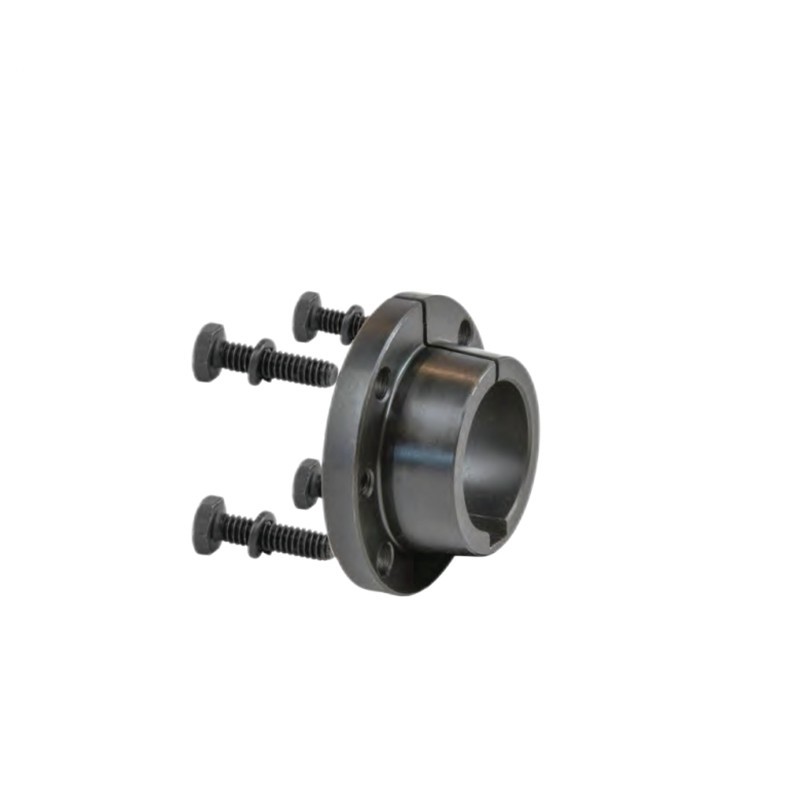
Structurally, the bushing consists of a tapered sleeve with an external flange and several mounting holes. During installation, the bushing is inserted into the tapered bore of a hub—typically a pulley or sprocket—and bolts are tightened to draw the bushing into the hub. This action forces the tapered surfaces together and compresses the bushing onto the shaft.
This wedging action produces strong radial pressure between the shaft and the bushing, allowing the assembly to transmit high torque without slipping.
One feature that distinguishes QD bushings is the presence of jacking holes in the flange. When removal is required, the same mounting bolts can be inserted into these holes to push the bushing out of the hub, making disassembly much easier than many other shaft mounting systems. Because of this design, QD bushings are widely used in equipment that requires periodic maintenance or component replacement.
What Is a Taper Lock Bushing?
A Taper Lock bushing is another widely used shaft locking device that also relies on tapered surfaces to create a tight mechanical connection.
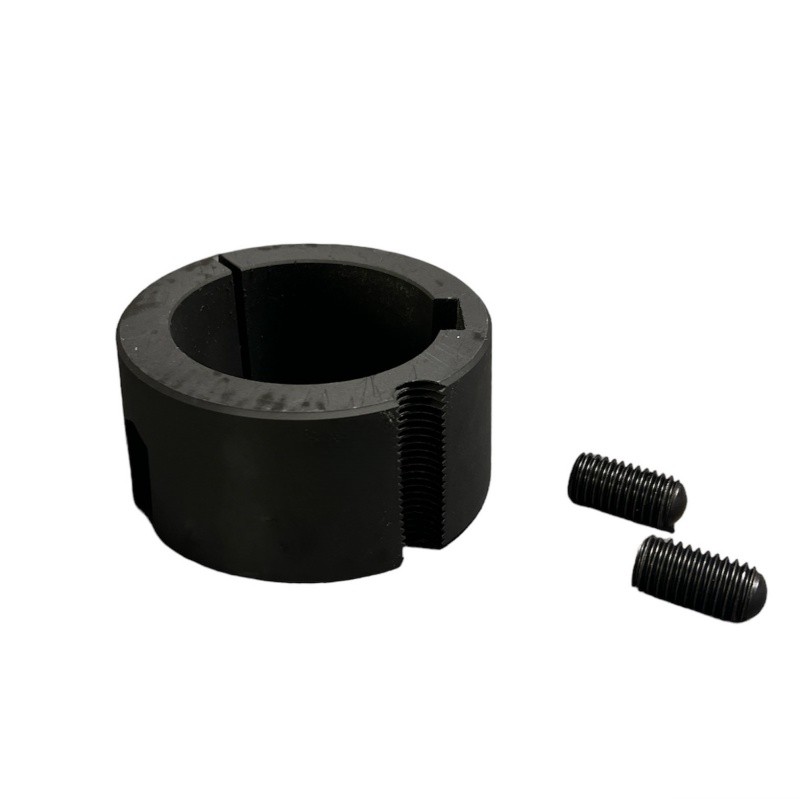
Unlike QD bushings, a Taper Lock bushing usually has straight outer sides without a flange and fits flush into the hub of the mounted component.
The bushing itself contains a split design that allows it to contract when the mounting screws are tightened. As the screws pull the bushing into the hub, the taper wedges tightly against the shaft and the hub simultaneously, creating a secure connection.
The split construction improves the bushing's ability to grip the shaft evenly, which contributes to good concentricity and smooth rotation.
Structural Differences Between QD and Taper Lock Bushings
Although both designs rely on tapered locking, their physical structures are noticeably different.
Feature | ||
Outer design | Flanged outer diameter | Straight outer diameter |
Split design | Single split | Full Split |
Fasteners | External cap screws | Set Screws |
Mounting style | Flange bolts pull bushing into hub | Screws pull taper into hub |
Space requirement | Slightly larger radial space | More compact |
The flange on a QD bushing provides additional mounting strength and makes it easier to access bolts during installation and removal. However, this flange also means the assembly occupies slightly more radial space.
Taper Lock bushings, on the other hand, are more compact because the hub surface remains flush without an external flange.
Differences in Installation and Removal
The installation procedure for both bushing types follows the same fundamental principle: tightening bolts forces tapered surfaces together to generate clamping force. However, the details of the process differ.
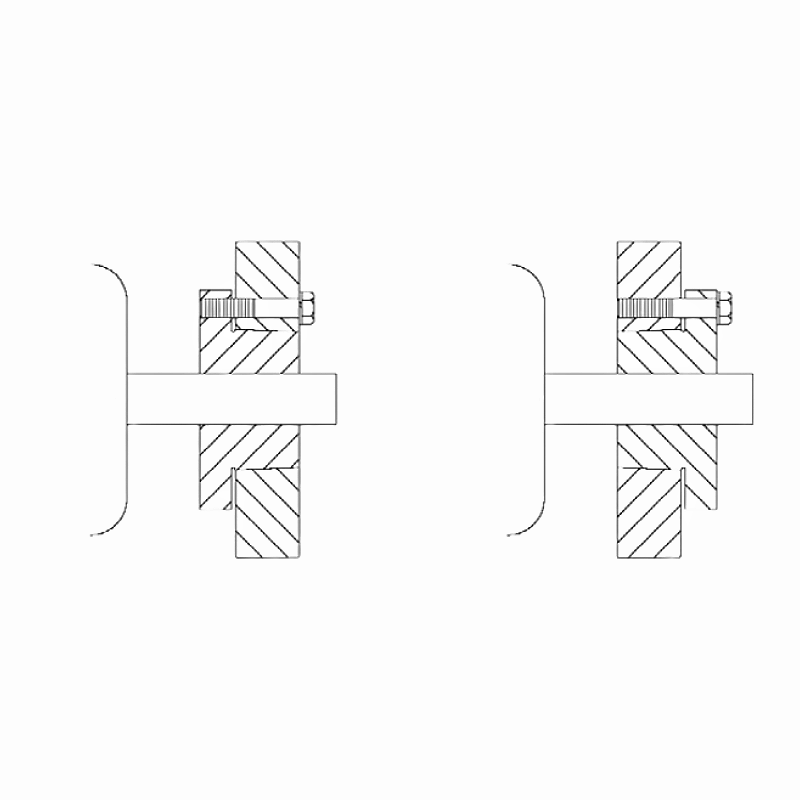
With a QD bushing, the installer slides the bushing onto the shaft and positions the hub over it. Bolts are then tightened through the flange holes, pulling the bushing into the hub and compressing it onto the shaft.
When removal is required, the bolts can be moved into the threaded jacking holes. As they are tightened, they push the hub away from the bushing, allowing the assembly to separate easily.
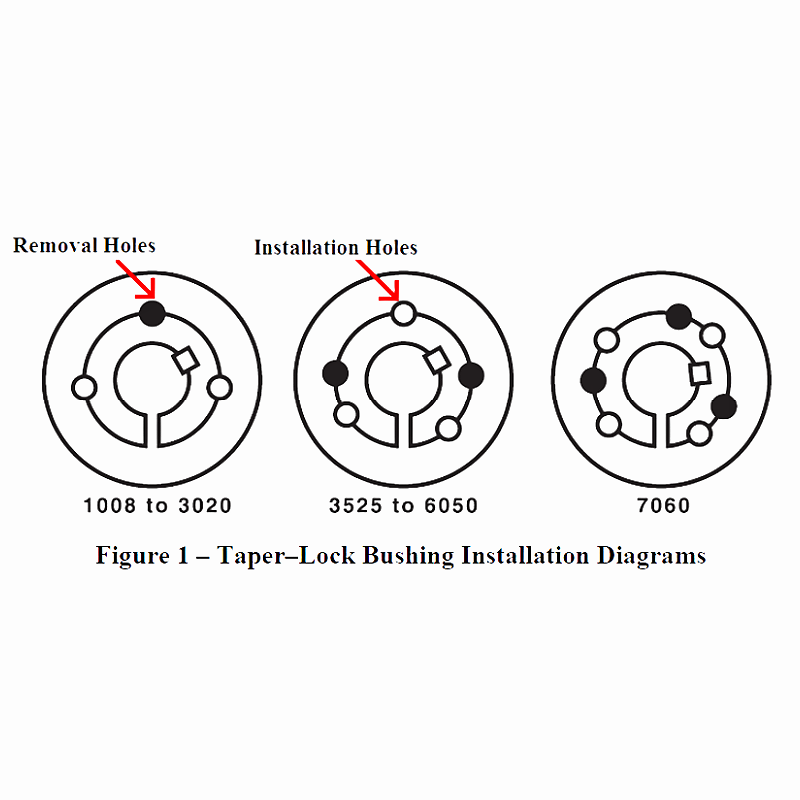
Taper Lock bushings use a slightly different arrangement. The screws pull the bushing into the tapered bore of the hub, and removal usually requires moving the screws into alternate holes that force the bushing outward.
Although both systems are serviceable, the QD design is generally considered faster to remove, especially in maintenance environments where sprockets or pulleys must be replaced frequently.
Which Bushing Should You Choose?
Selecting between a QD bushing and a Taper Lock bushing depends on the priorities of the application.
If maintenance speed is important—such as in agricultural or conveyor equipment—a QD bushing is often the better choice. The flanged design and jacking holes allow technicians to remove components quickly without specialized tools.
If the equipment requires a compact installation and highly stable rotation, a Taper Lock bushing may be more suitable.
Other factors to consider include:
• Shaft diameter
• Hub compatibility
• Available installation space
• Maintenance frequency
• Torque requirements
In many cases, the decision is determined by the hub design of the pulley or sprocket, since these components are usually manufactured specifically for either QD or Taper Lock bushings.
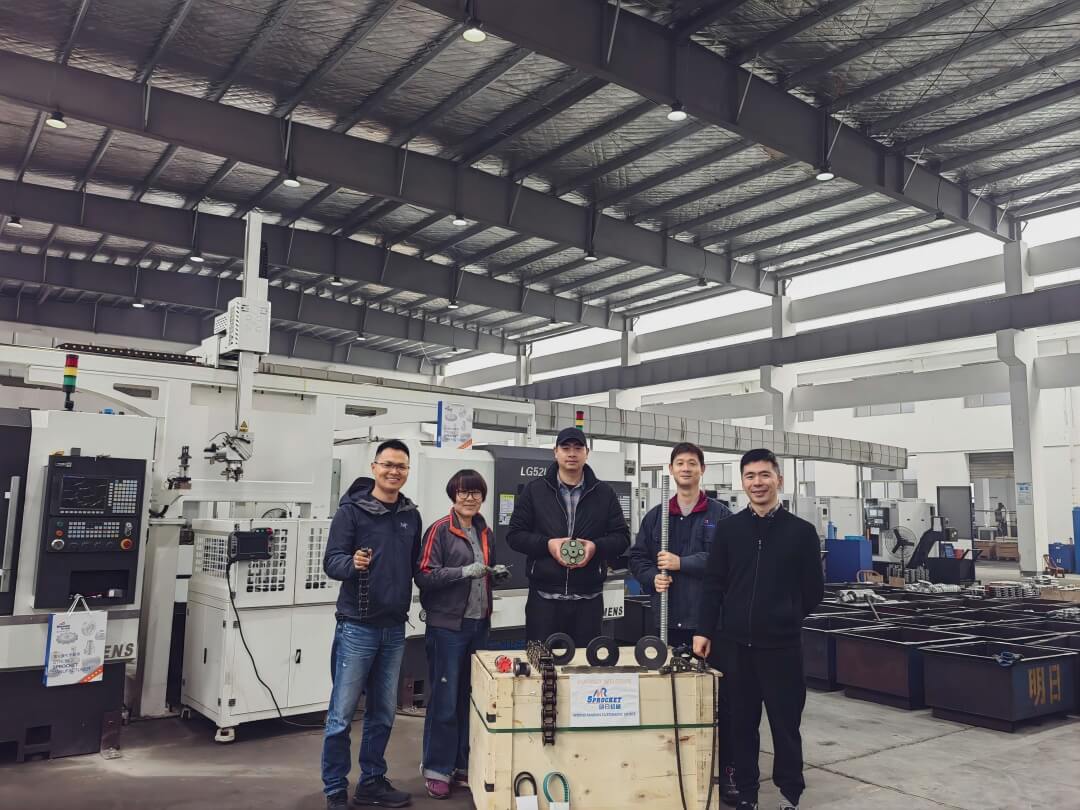
Looking for High-Quality QD or Taper Lock Bushings?
At CTS, we supply a full range of QD bushings and taper lock bushings designed for pulleys, sprockets, and other power transmission components.
If you need technical advice, dimension information, or a quotation, feel free to contact our team. We will help you find the right bushing solution for your equipment.
FAQs
Are QD bushings interchangeable with Taper Lock bushings?
No. Each type requires a hub designed specifically for its mounting system, so they are not directly interchangeable.
Which bushing type is easier to remove?
QD bushings are generally easier to remove because they include jacking holes that allow bolts to push the bushing out of the hub.