Grain Handling Chains: From Bucket Elevators to Drag Conveyors
The Grain Handling Process
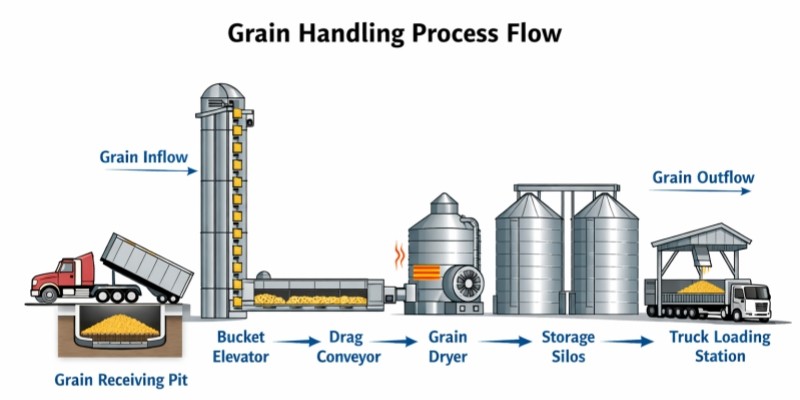
Grain handling process flow diagram showing grain receiving pit, bucket elevator, drag conveyor, grain dryer, storage silo, and truck loading station, industrial engineering infographic style.
Receiving Pit → Bucket Elevator → Drag Conveyor → Dryer → Storage Bin → Loading System
Because each piece of equipment performs a different function, no single chain design can satisfy every application. This is why grain handling facilities typically use several chain types throughout the system.
Bucket Elevator Chains
Bucket elevators are among the most common machines found in grain elevators, feed mills, grain terminals, and storage facilities.
Their primary function is to move grain vertically from one level to another.
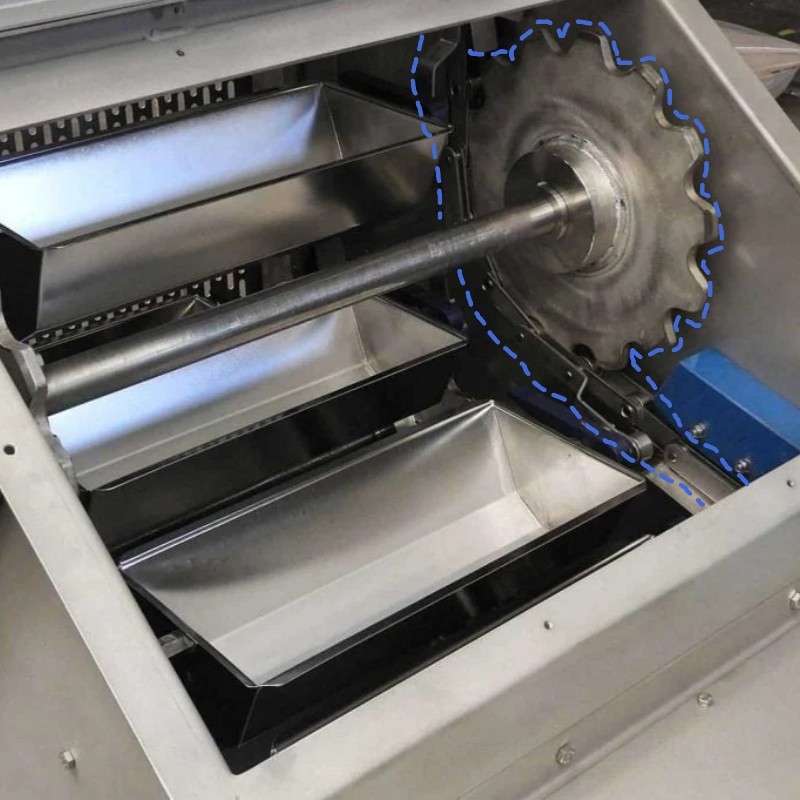
A bucket elevator consists of:
• Elevator chain
• Buckets
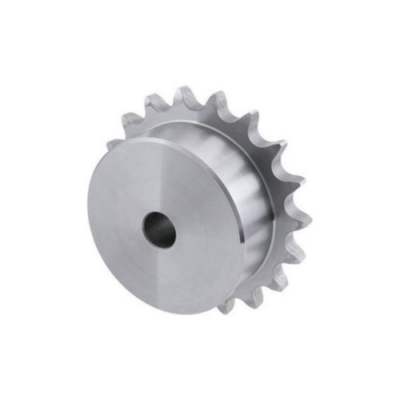
• Sprockets
• Elevator housing
As the chain moves, attached buckets scoop grain from the boot section and transport it upward before discharging it at the head section.
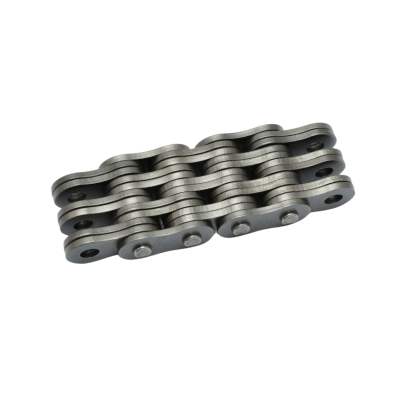
The most frequently used chains include: Bucket Elevator Chain, Attachment Conveyor Chain, and Welded Steel Chain
Drag Conveyor Chains
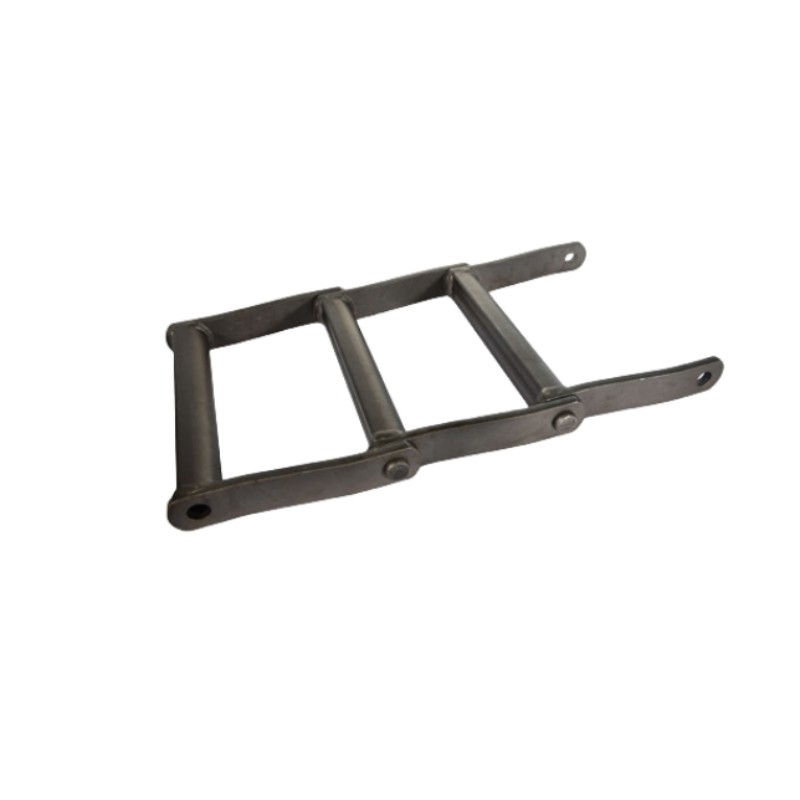
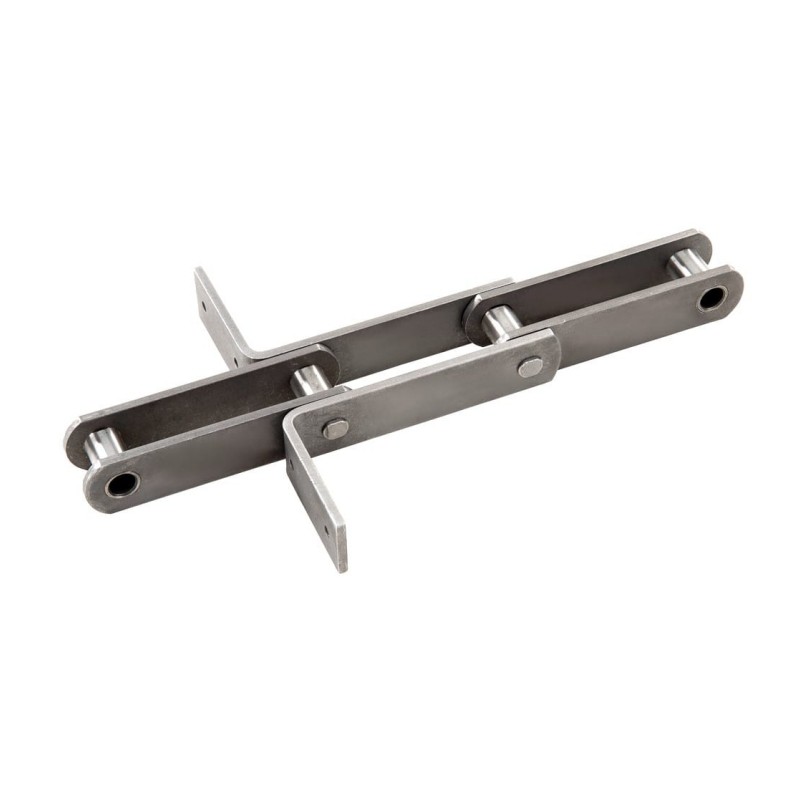
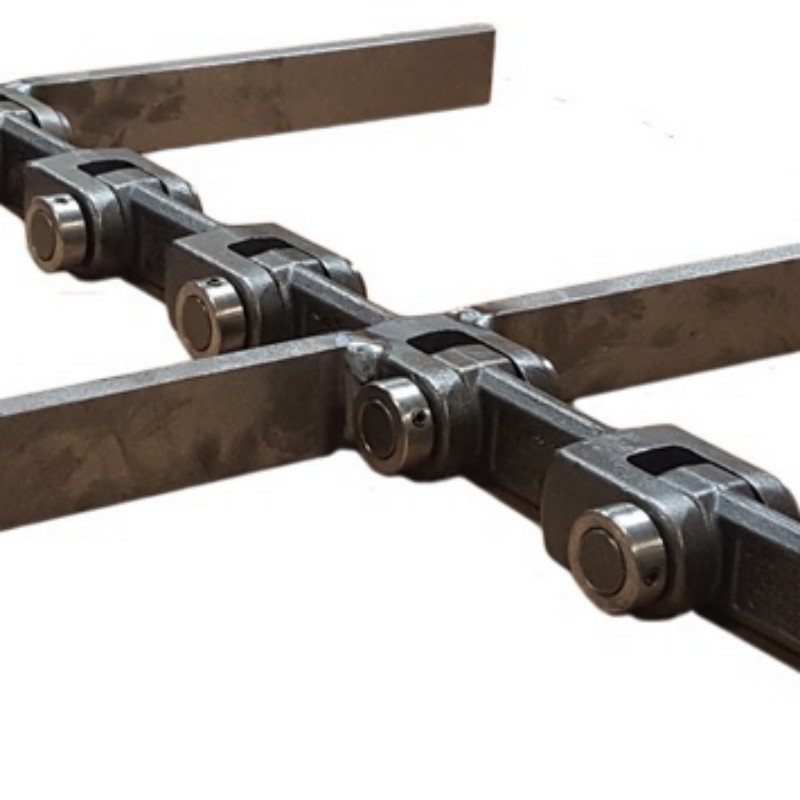
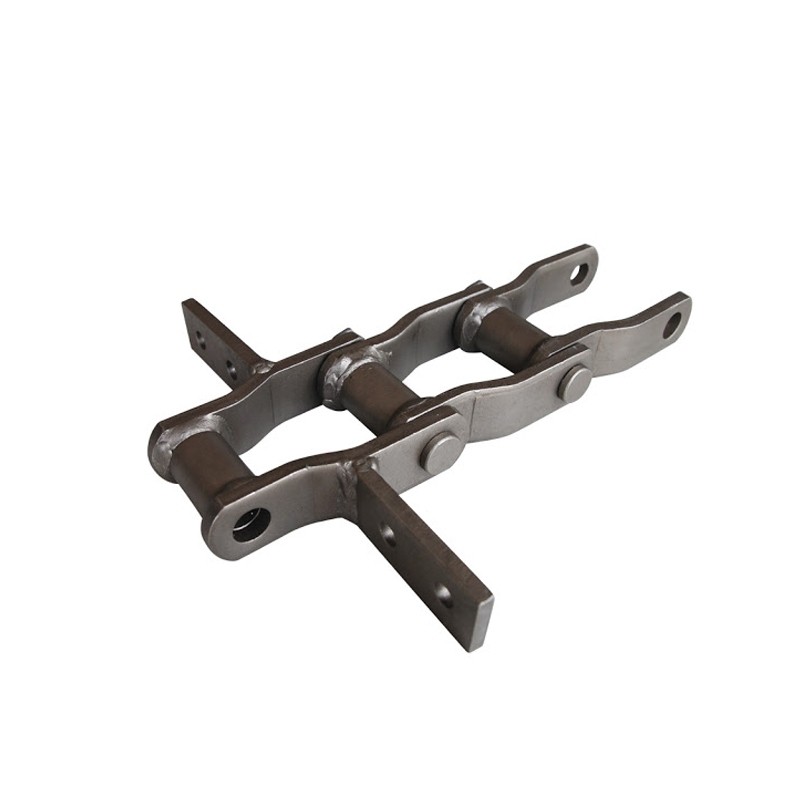
While bucket elevators handle vertical transportation, drag conveyors are widely used for horizontal conveying. These systems use flights attached to a chain to gently drag grain through an enclosed trough.
Because the conveyor is enclosed, grain remains protected from contamination while dust emissions are significantly reduced.
Common Drag Conveyor Chain Types
En-Masse Conveyor Chains
En-Masse conveyors are becoming increasingly popular in modern grain facilities.
Unlike drag conveyors, which push grain along the bottom of a trough, En-Masse conveyors move a solid column of grain. The grain itself becomes part of the conveying process
Most Common Chain Types Used in Grain Handling Equipment
| Chain Type | Typical Application |
| Bucket Elevator Chain | Vertical grain conveying |
| Drag Conveyor Chain | Horizontal conveying |
| Flight Conveyor Chain | Bulk grain transport |
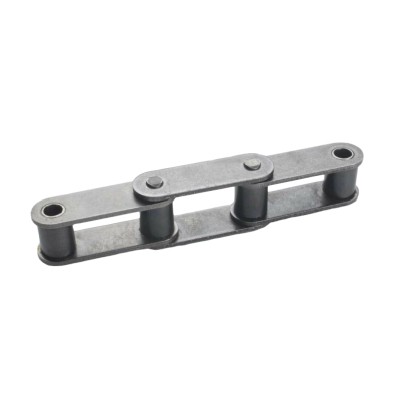
Welded Steel Chain | Heavy-duty conveying |
Attachment Chain | Customized conveying systems |
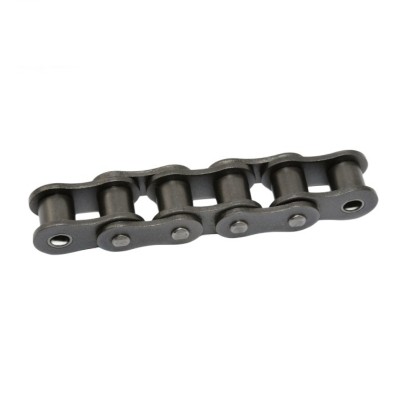
Roller Chain | Equipment drive systems |
Sweep Conveyor Chain | Silo cleanout systems |
Understanding these chain categories can simplify equipment maintenance and replacement planning.
How to Select the Right Grain Handling Chain
Selecting the correct chain is essential for maximizing equipment performance and minimizing downtime.
Consider the Material Being Conveyed
Different grains behave differently, for example:
• Corn creates higher impact loads
• Rice requires gentle handling
• Soybeans are more susceptible to damage
Evaluate Conveyor Capacity
A system handling 20 tons per hour has very different requirements than one handling 500 tons per hour.
Consider Conveyor Length
Longer conveyors place additional stress on chains and attachments.
Analyze the Working Environment
Important factors include:
• Dust levels
• Moisture exposure
• Corrosion risk
• Operating temperature
Maintenance Requirements
Some facilities prioritize low-maintenance systems because equipment may operate continuously during harvest season.
Common Grain Conveyor Chain Problems
Even high-quality chains eventually wear. Knowing common failure modes can help reduce downtime.
Chain Elongation
Pin and bushing wear gradually increases the chain pitch, resulting in elongation.
Corrosion
Moisture and chemical exposure can accelerate chain deterioration.
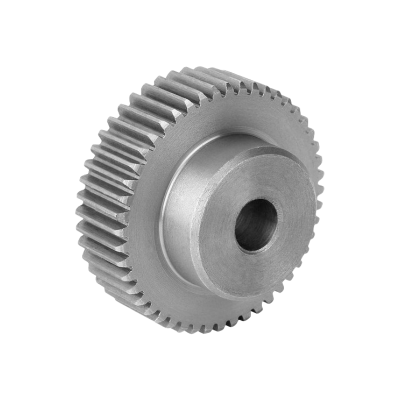
Worn sprockets can accelerate chain wear and reduce system efficiency
Misalignment
Improper alignment often causes uneven wear and premature failure.
Regular inspection programs can significantly extend the chain's service life and reduce unexpected breakdowns
Need Help Selecting the Right Grain Handling Chain?
Choosing the correct chain depends on multiple factors, including conveyor type, capacity, operating environment, attachment requirements, and maintenance expectations.
If you are sourcing chains for bucket elevators, drag conveyors, grain dryers, or storage systems, our technical team can help you identify a suitable chain solution based on your equipment specifications.
Contact us for chain selection support, technical drawings, customization options, and quotations.
FAQs
What is the most commonly used chain in grain handling equipment?
Bucket elevator chains and drag conveyor chains are among the most commonly used chains in grain handling facilities.
What chain is used in grain silos?
Sweep conveyor chains, reclaim conveyor chains, and under-bin conveyor chains are commonly used inside grain storage systems.