Double vs. Single Roller Chain: Which is Better?
Roller chains are widely used in various industrial applications. Common types include single-strand, double-strand, and other multi-strand roller chains. But what exactly distinguishes a single-strand roller chain from a double-strand one?
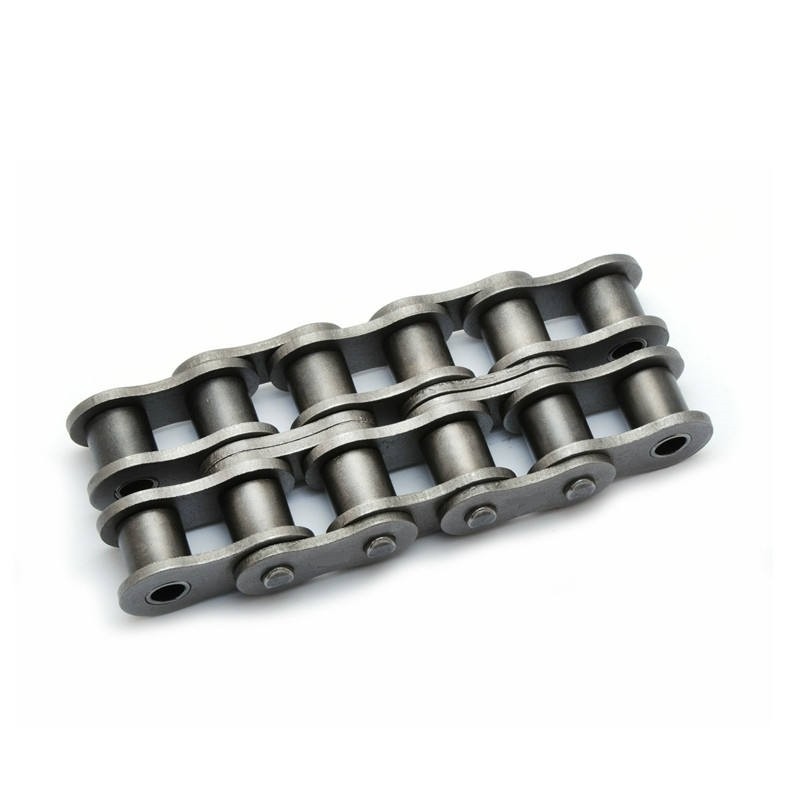
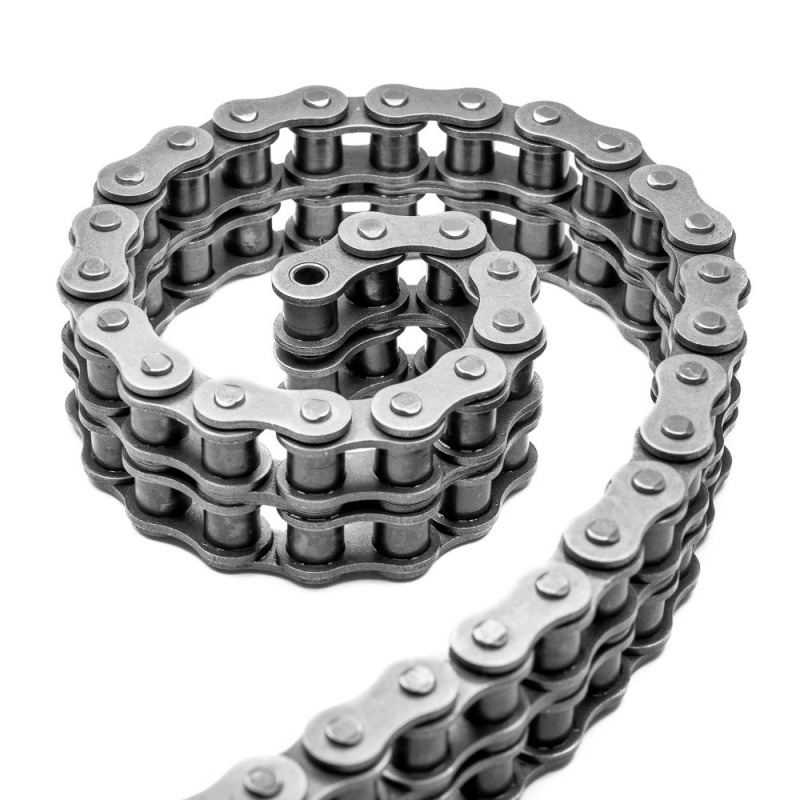
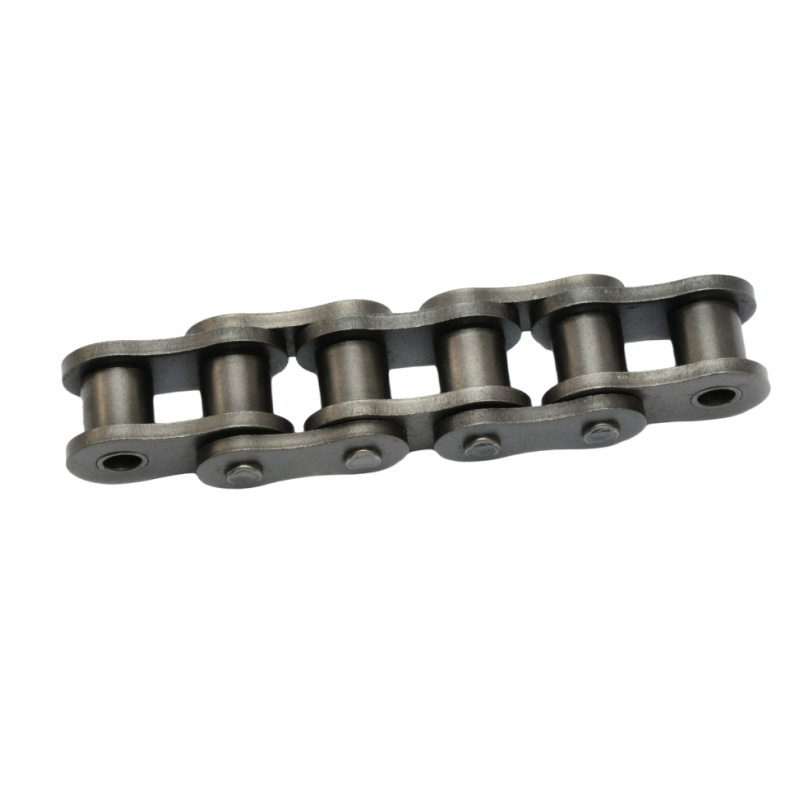
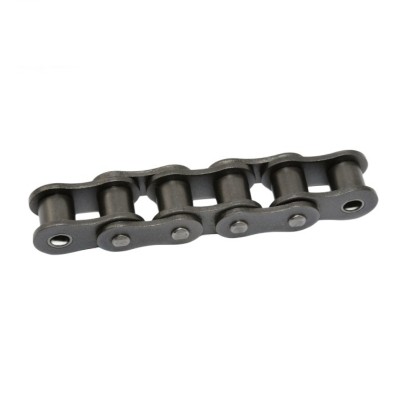
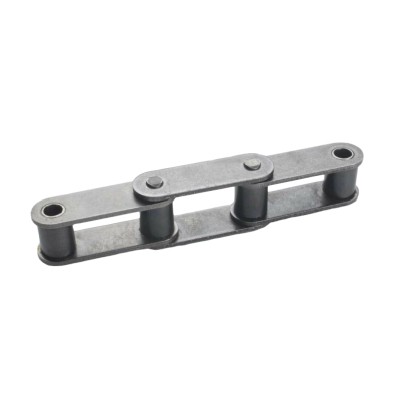
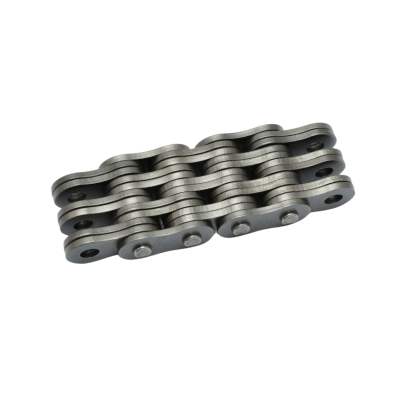
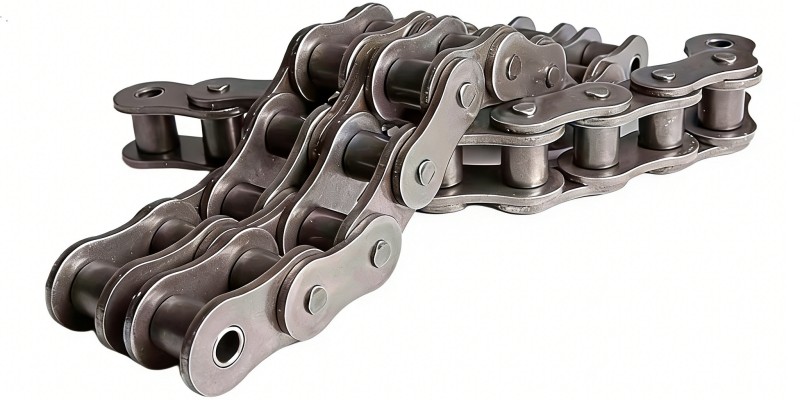
A single roller chain consists of one strand of rollers, pins, and plates. A double roller chain features two parallel strands joined by common pins that extend through both rows of rollers. Duplex roller chains are engineered to handle higher power requirements without a proportional increase in the chain's pitch or the sprocket's diameter.
Advantages of Single Roller Chains
Single roller chains are usually used in industry. They are versatile, cost-effective, and widely available.
Compact Design and Lower Cost
For applications where space is limited, single-strand roller chains can be selected. Because it is relatively narrower than double-strand roller chains, the associated chain sprocket takes up less space on the drive shaft. In addition, from a purchasing point of view, the price of single-strand roller chain is cheaper.
Simpler Maintenance and Alignment
Maintaining a single-strand roller chain is simple. Roller chain alignment is easier to achieve, and there is no risk of uneven load distribution between multiple strands of roller chains – a common problem if duplex roller chains are not manufactured with high precision.
When to Choose Double Roller Chains?
Increased Load Capacity and Strength
The most significant "better" quality of a double roller chain is its ability to transmit higher loads. A duplex roller chain doesn't exactly double the capacity of a simplex roller chain (due to a "multi-strand factor" usually around 1.7 to 1.9), but it allows for massive power transmission without increasing the vertical diameter of the chain sprockets.
Durability in High-Torque Environments
Double roller chains are designed for heavy-duty industry. In applications with high-impact loads or frequent start-stop cycles, the dual-strand design distributes the stress across a larger surface area of pins and bushings, significantly reducing the rate of wear and elongation.
Single Roller Chain VS. Double Roller Chain
| Feature | Single Roller Chain (Simplex) | Double Roller Chain (Duplex) |
| Power Capacity | Standard | Higher (1.7x - 1.9x) |
| Width Requirement | Narrow | Wide |
| Weight | Light | Heavier |
Common Apllication | General Conveyor System | Heavy-duty Machine, Hoists |
Double-strand roller chains consist of inner plates, outer plates, pins, bushings, and two rows of rollers. The duplex design allows the chain to engage with sprockets more smoothly, reducing friction and noise. Unlike single roller chains, double roller chains are built for high-torque applications, such as mining equipment or construction machinery.
How to Choose the Right Chain
Is double-strand roller chain "better"? Only if your application demands it.
Check the Load:
If your calculated horsepower requirement exceeds the rated capacity of a single-strand roller chain, do not try to "over-tension" a simplex chain. Switch to a double-strand roller chain.
Evaluate Space:
If you have horizontal room but cannot use a larger diameter chain sprocket due to height restrictions, a double-strand roller chain allows you to keep a small sprocket diameter while increasing strength.
Consider the Environment:
In highly corrosive or abrasive environments, replacing a double-strand chain is much more expensive. If a single-strand roller chain can handle the load, it may be the more economical choice for long-term maintenance.
Maintenance Steps for Double Roller Chains
Maintaining a double roller chain is more complex than a single strand because you are managing two parallel paths of motion. Neglecting a duplex chain can lead to "uneven elongation," where one strand stretches more than the other, causing catastrophic sprocket failure.
Precision Alignment of Duplex Sprockets
For a double roller chain, shaft parallelism is non-negotiable. Use a laser alignment tool to ensure that the two rows of sprocket teeth are perfectly in line. If the sprockets are even slightly tilted, the load will shift to one side of the double chain, causing the pins to bend and the side plates to crack.
Enhanced Lubrication Penetration
Because double chains have more plates and a middle link plate, getting oil into the "critical zone" (the space between the pin and the bushing) is harder.
Method: Use a drip or spray lubrication system aimed specifically at the gap between the inner and outer link plates on both strands.
Measuring Multi-Strand Elongation (Wear)
Standard roller chain wear occurs when the pins and bushings erode. For a duplex roller chain, you must measure the length of both strands. If the chain reaches 1.5% to 2% elongation, it must be replaced.
Monitoring Synchronized Engagement
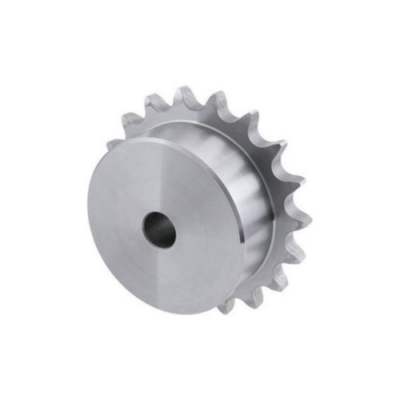
Regularly inspect the chain sprocket teeth for "hooking." In double roller systems, if one side of the sprocket wears faster than the other, it indicates a drive tension issue. Always replace the chain sprockets and the double-strand roller chain as a set to ensure perfect synchronization.

Are you still unsure which roller chain fits your conveyor system? Contact our technical team today for a custom load analysis and chain sprocket compatibility check!
Related Products Recommend